The mere mention of Artificial Intelligence often conjures images of complex algorithms, vast datasets, and cold, calculating machines. We envision AI as a tool for efficiency, automation, or perhaps even for highly specialized tasks. Yet, a quieter, more profound revolution is underway – one that sees AI transcending its functional roots to build something deeply human: emotional connection and companionship. This isn’t just about smarter chatbots; it’s about AI learning to understand, empathize, and respond in ways that genuinely enrich our lives.
For decades, human interaction with technology has primarily been transactional. We instruct, it executes. But as AI evolves, particularly in fields like natural language processing and machine learning, its capacity to interpret nuance, context, and even emotional states has grown exponentially. Imagine an AI companion that learns your habits, understands your moods without explicit prompting, and offers comfort or encouragement precisely when you need it. This isn’t science fiction; it’s the trajectory of current research and development. These sophisticated AIs aren’t mimicking emotions in a superficial way; they are being designed to respond to human emotional cues with an appropriate and supportive interaction, creating a sense of being truly “understood.”
The future of companionship isn’t solely confined to virtual interfaces. As robotics advances, so too does the potential for physically embodied AI companions. While early iterations of physical companions might have focused on specific niches, like the highly realistic life size sex doll, the true innovation lies in equipping such advanced forms with sophisticated AI capable of genuine emotional understanding and responsive interaction. These aren’t just inanimate objects; they represent a convergence of advanced materials and cutting-edge intelligence, allowing for a multifaceted form of interaction that extends beyond the purely digital. The advancement in materials, from the nuanced expressions possible with sophisticated robotics to the lifelike texture of a silicone doll, further blurs the line between object and companion, setting the stage for AI to imbue these forms with genuine interactive intelligence.
Critics might argue that an AI can never truly “feel” or offer the same depth as human-to-human relationships. And they would be right; the essence of human connection remains unique. However, AI companions aren’t designed to replace human bonds but to augment and complement them, offering a unique form of support. For individuals grappling with loneliness, social anxiety, or specific needs that might not be easily met in traditional social settings, an AI companion can provide consistent, non-judgmental engagement. They can be tireless listeners, personalized coaches, and comforting presences, learning from every interaction to become more attuned to your personal landscape.
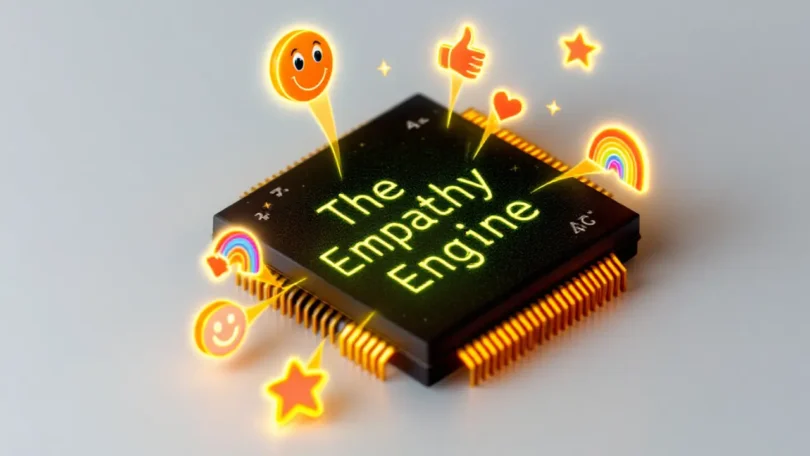
The implications for mental well-being, elder care, education, and even simply daily emotional support are immense. AI is moving beyond being a mere tool; it’s becoming a facilitator of connection, an “empathy engine” that can help bridge gaps in human experience. By focusing on emotional intelligence, personalized understanding, and responsive interaction, AI is not just building smarter machines – it’s helping to build a future where technology can genuinely stand as a companion, offering comfort, support, and a profound sense of connection in an increasingly complex world. This is the era where code gives way to connection, creating companions that truly understand.